
CALF STRAIN: INJURY BLOG
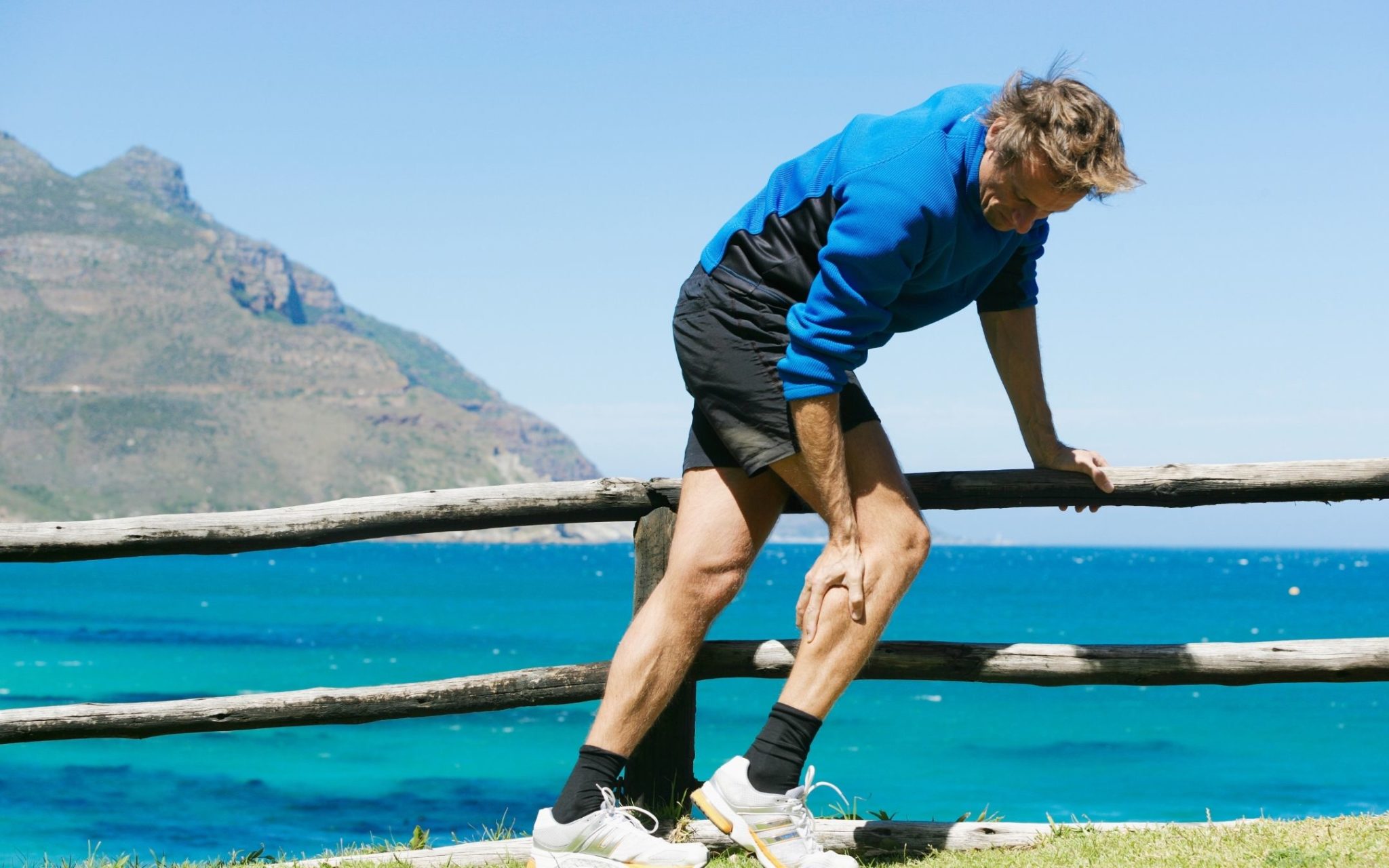
Happy New Year everyone! We hope you all had a lovely break with family and friends. With the new year in full flight, there are also bound to be some new years resolutions in action!! And we all know, with new activity there is the possibility of soft tissue injury. So this month’s blog is all about calf strain, what is it and what can you do about it??
Calf Strain
You may not give them much thought, but your calf muscles are constantly working hard day-to-day when you’re walking around or exercising. This makes it really inconvenient – not to mention painful – when you strain a calf muscle. Muscle strains are a common reason the team at Holistic Bodyworks patients’ seek out osteopathic treatment. Read on to find out about the different causes and treatment options for a calf strain.
Calf muscle anatomy facts
Before we dive into the injury, let’s take a moment to unpack the anatomy of the calf. Did you know that it is actually made up of three muscles? They are called the gastrocnemius, soleus, and plantaris (we know… what a mouthful!). The gastrocnemius is a two-pronged muscle that runs from just above your knee down to your heel. It is the largest of the three and is vital for movement of the knee and the ankle. It is more commonly injured in a calf strain than the soleus, which lies underneath the gastrocnemius.
What are the common causes of tightness and calf strain?
Our muscles lose flexibility as we age, making them more prone to injury. Short or tight calf muscles make you more susceptible to a strain, especially if you skip the warm-up before you start exercising. Participating in sports and activities like tennis, basketball, and football that involve sudden movements or changes in direction are common ways to get a calf strain.
What are the symptoms of a calf strain?
Calf strains are graded as;
- mild (a minor strain)
- moderate (a partial muscle tear), or
- severe (a complete muscle tear).
Common symptoms of a calf strain include:
- Tenderness and pain in the area
- Tightness and aching after exercise
- Swelling and bruising of the muscle
- Sharp pain or ‘popping’ during exercise
- Pain when stretching the calf
- With a severe tear, it will be very difficult to walk or stand on the affected leg
Symptoms will generally be more intense for a severe strain.
How long will a calf strain take to heal?
Depending on the severity of the strain, your recovery could range from a few weeks for a mild strain, to several weeks or months for a moderate to severe strain.
What you can do to help?
There are some steps you can take at home to treat a calf strain.
For the first 2 – 3 days, RICER protocol is suggested:
- Rest your leg as much as possible.
- Ice therapy (apply ice packs for 20 minutes every two hours for the first 24 hours).
- Compress the injured leg using a bandage wrapped firmly around the calf to minimise swelling.
- Elevate the leg using a pillow for support, as much as possible.
- Refer – if you are unable to walk, you should seek medical attention to determine if medical imaging is required.
How can osteopathic treatment help?
Muscle strains are one of the most common injuries we treat in the clinic. Our hands-on treatment takes a holistic approach to healing and recovery.
- Firstly, we treat the area directly…If you have tight calf muscles or are experiencing a calf muscle strain, we may use a range of soft tissue techniques, including massage therapy, joint manipulation and stretching. This helps by increasing blood flow to the area and reducing tightness.
- Secondly, we assess and treat the lower back and pelvis for any asymmetries or movement restrictions that may be affecting leg function.
- As part of your treatment, we will develop a program of exercises and stretches for you to do at home, as well as getting you to follow a clean diet and adequate water intake. This is all to help with your recovery and to strengthen the muscles – and hopefully prevent the injury from reoccurring in the future!
If you are experiencing pain or tightness associated with a calf muscle strain, come and see us. We are here to help!
We will assess your symptoms and come up with a treatment plan to get you back to your best. Call us on 9570 3388 or email info@holisticbodyworks.com.au to make an appointment. Or simply book online!
References:
- St Johns Ambulance Australia. (2020). First aid fact sheet. Sprain and strain. [Online]. Available at: https://stjohn.org.au/assets/uploads/fact%20sheets/english/Fact%20sheets_sprain%20and%20strain.pdf (Accessed 14 June 2022).
- Physiopedia (2021). Calf Strain. [Online]. Available at: https://www.physio-pedia.com/Calf_Strain (Accessed 14 June 2022).
- Cleveland Clinic (2021). Torn Calf Muscle. [Online]. Available at: https://my.clevelandclinic.org/health/diseases/21696-torn-calf-muscle (Accessed 14 June 2022).
- Healthline (2019). How to heal, protect, and strengthen a strained calf muscle. [Online]. Available at: https://www.healthline.com/health/pulled-calf-muscle (Accessed 14 June 2022).