Tennis Elbow
Lateral Epicondylitis, also known as TENNIS ELBOW, which surprisingly is not always caused by playing tennis!
What is Tennis Elbow?
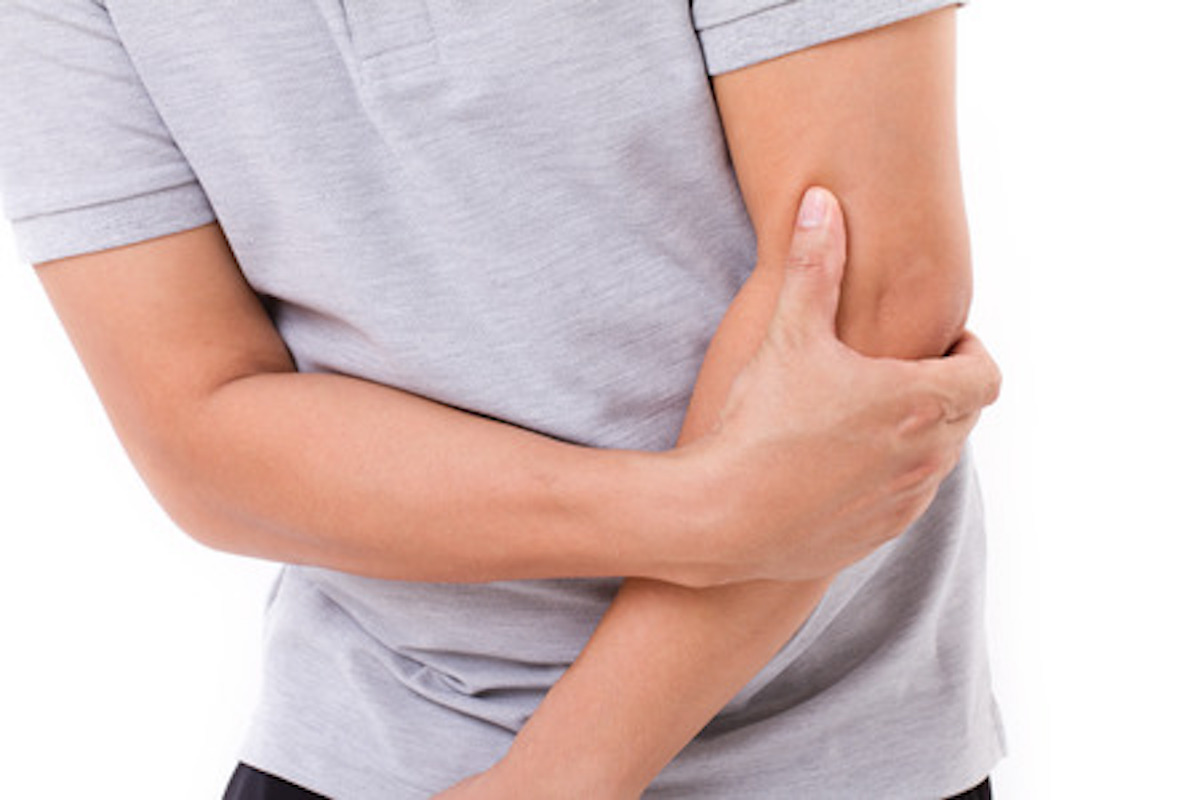
It is a non-inflammatory degenerative condition of the forearm extensors at their attachment onto the lateral epicondyle of the humerus – the boney bit on the outside of your elbow. It can cause pain at the tendon attachment site, referral pain into the hand and fingers as well as a loss of strength, specifically when trying to grip objects.
What causes Tennis Elbow?
As the name suggests, it is most common in tennis players due to the force through the extensor muscles during a backhand swing. However, they are not the only ones who can develop this condition. It is highly common in all racket sports, but also carpenters, painters, mechanics, office workers and even those with hobbies such as knitting! Basically any activity that involves repetitive movements that affects the area – finger extension (typing), force on wrist flexion (tennis or squash backhand) and force on wrist twisting (screwdriver).
On top of this there are other major factors involved such as:
- Posture
- Shoulder strength
- Muscle balance or imbalance
- Technique
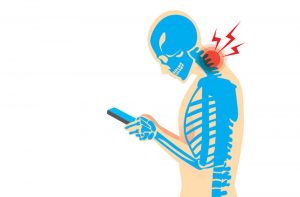
Some postural issues and muscle imbalances in the upper back, neck and shoulder can also create tightness and restriction into the arm that can mimic the symptoms of tennis elbow. Therefore it is important to have full assessment to confirm the diagnosis.
Treatment
Recovery from tennis elbow can be slow with rest alone. It requires a proactive approach through diagnosis, manual treatment and a strength program.
This is something the experienced team of Osteopaths at Holistic Bodyworks can provide.
After looking at your medical history and health requirements, our experienced team create a tailored treatment plan unique to you that uses a variety of different techniques.
Our Osteopaths apply pressure to muscle knots, sources of tension and trigger points deep in your tissue.
Remedial Massage relaxes the muscles and promotes the flow of blood and lymph which may assist with cases of muscle pain.
As opposed to acupuncture treatments, dry needling uses an in-depth understanding of the human body to directly target trigger points in the muscles.
Using fine needles, dry needling releases muscles and undoes knots, which can restore your mobility and may help relieve tension and pain.
By harnessing a patient’s own muscles, MET may be able to assist patients with cases of joint immobility and pain.
Tight muscles can affect joint mobility by pulling on bones. Using a series of contractions and relaxations, MET loosens and lengthens tight muscles, which may assist with joint pain and can help increase movement.
When the fibrous connective tissue (fascia) that connect your muscles, organs and joints become tense, inflamed and immobile, you may experience restricted movement and pain.
Myofascial release applies direct and indirect pressure to inflamed or immobile fascia. Direct firm pressure forces the fascia to stretch, while indirect pressure gently encourages and guides the fascia to release on their own.
Do you have elbow pain or any aches into the lower arm or hand?
Contact the clinic today to make an appointment with an Osteopath or Remedial Massage Therapist for an assessment.