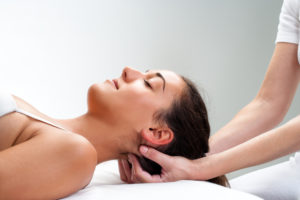

Pregnancy Osteopathy – Can Osteopathy help for Pregnancy?
We thought we’d give some insight on Pregnancy Osteopathy – how Osteopathy can help during your pregnancy.
The Osteopaths at Holistic Bodyworks love treating pregnant women and supporting them through their journey from pre-natal to post-natal care. We know that pregnancy can be a daunting but exciting time. We also understand that during pregnancy and motherhood a lot of physical, emotional, psychological and social changes occur. Read on to find out what Pregnancy Osteopathy treatment involves…
What are the most common complaints during pregnancy?
- Lower back Pain
- Pelvic girdle Pain (Sacroiliac Joint and or Pubic Symphysis)
- Groin pain
- Hip pain
- Sciatica
- Middle, upper back and neck pain
- Headaches
- Carpal Tunnel Syndrome
- Postural changes
- Rib cage pain
Pregnancy Osteopathy – How may Osteopaths be able to assist you during your pregnancy?
During pregnancy your body can undergo a vast amount of change every day as the baby develops. The body changes significantly even from the first day of conception as hormone levels change in the body. Some of these hormones cause softening of the ligaments, which assists the body to posturally changing over the next 9 months.
Pregnancy Osteopathy treatment uses a range of treatment techniques with the aim to assist the physical changes of the female body. Manual techniques may reduce pain and improve range of motion throughout the body. Home care will include regular stretches and exercises as well as postural and ergonomic advice to support your changing body.
What does Pregnancy Osteopathy treatment entail?
As with any new patient, our initial appointments range between 45 minutes to an hour. This allows an in depth history to be taken and ensure that treatment is safe for you. We do an assessment, which involves movement testing and any relevant tests. We will then discuss the diagnosis and the treatment plan with you before your Pregnancy Osteopathy treatment occurs.
What techniques are used?
Pregnancy Osteopathy Treatment techniques may include soft-tissue massage, stretching, articulation and more gentle indirect treatments known as counter-strain, Balance Ligamentous Tension (BLT), cranial and biodynamic. These treatment techniques may help the body to adapt to the changes that occur throughout pregnancy, including weight gain, changes in posture, walking/gait and other movements that occur in daily life.
NOTE: It is advised to check with your general practitioner or obstetrician if you are in a ‘high-risk’ category before seeking osteopathic care and whether it is appropriate for you.
Can I see an Osteopath after I have given birth?
As Osteopaths, we have an understanding of the accompanying physical, mental and emotional changes required during the birthing process and postnatally. The adjustment postnatally is quite significant as you now have a new baby to care for. There is the obvious fact of interrupted sleep, as well as your body undergoing more change to re-adjust back to “normal” over the next few months to years.
Initially postnatally, a lot of women may experience muscle fatigue and aches due to the exertion and physical stress on the body during labour. The hormone relaxin gradually decreases allowing the ligaments of the body to start to return to their pre-pregnancy structure, which may cause joint pain and feelings of restriction.
Even after a few months you still may be experiencing physical stress through your lower, mid or upper back, that may be left over from labour or even exacerbated by holding, bathing and breastfeeding your baby. There may also be associated menstruation issues, incontinence, constipation and abdominal wall weakness, separation and pelvic floor weakness. This is where Pregnancy Osteopathy Treatment can help.
As Osteopaths we may be able to assist in reducing the muscular tension and aches felt through your body and prescribe gentle stretches, exercises and postural advice that will further assist mothers in their recovery.
Note: We usually advise that you gain medical clearance at your 6 week check up before coming to see us postnatally.
What other things can I do to aid recovery from pregnancy and childbirth?
At Holistic Bodyworks, we also have the option to conduct one on one post-natal and pre-natal Clinical Pilates. Pilates may help the body physically prepare for the pregnancy related changes, labour and the stress postnatally.
Another helpful tool during pregnancy and labour is a Transcutaneous Electrical Nerve Stimulation (TENS) machine.
A TENS machine for labour is a non-invasive and drug-free approach. It helps improve the well-being of pregnant women who want natural pain management.
So, you’ve made it through your Pregnancy and you have your beautiful baby…
Being a parent can be very challenging at the best of times. And especially for the new mums. It doesn’t matter whether it’s your first, second, or fifth child, being a new mum comes with a whole host of daily challenges. Your new little human requires all your attention – feeding constantly, changing eight nappies a day, bathing… Throw in another child, other family members, work, groceries (and the list continues) into the equation and it’s easy to see how life can be taxing on you and your body.
The good news is, we’ve devised a little self-help guide for mums! Below we give you tips on how to be kind to your body and not put yourself at risk of injury, so you can give your little munchkin the attention they need.
Feeding
For new mums you’re going to be doing a lot of this. Your new recruit requires constant nourishment to ensure they grow strong and stay healthy. And it doesn’t matter whether you breast or bottle feed, it’s likely you are going to be seated for long periods, looking down at your baby. This all leads to extra strain through your neck, back and shoulders. So, try some of these little gems of advice to help keep this process pain free:
- Get a comfortable, supportive chair – pick a chair that is going to feel good to sit in, but one you can easily get up and down from. If it’s too low, allowing you to slouch right back into, you’ll struggle to move yourself and your baby around without compromising your back.
- Keep your neck moving – feeding is a great time to bond with your baby. Eye contact is important but try not to spend the whole time looking down at a funny angle. Once your baby is comfortable feeding, it’s OK to break that eye contact every now and then to move your neck. Doing some light stretches or shoulder rolls will ensure you don’t end up with sore, overworked
- Consider a feeding pillow – these are great for taking the weight of your baby, so your shoulders and arms don’t have to. And they still allow you to have that important close contact.
- If you have a partner who can help feed, allow them to help regularly to give you a break. This tip is more for the bottle feeders of course, but it can make a huge difference.
Changing
It’s going to be nappies galore! This can mean a lot of bending over, so it’s important you look after your posture so your lower back doesn’t take all the strain. Try to avoid changing your baby on the floor in these early days. Ideally, get yourself a changing table. It means you can place your baby down on the table and change them at a height where you don’t have to bend forward and hold an awkward position. And of course, the same advice can be followed when changing your baby’s clothes. Look after that back, you’re going to need it!
Other Useful Tips
The following tips are by no means any less important, so try to take these on where possible:
- Sleep when your baby sleeps: Getting those extra hours in when your baby is taking a nap is important to conserve your energy and reduce the risk of fatigue.
- Eat and drink well: It’s easy for the focus to turn to your baby, and rightly so, they are little and dependent on you. Remember though, you can’t look after your baby if you aren’t well. Eat for the health of you and your baby – lots of water and good nutritious food such as fruit and vegetables!
- Stretch: Especially your shoulders, neck and chest. Once baby comes along, our arms are always in front of us. Whether it’s holding, feeding, changing or playing, we’re usually a little slumped in our shoulders. Build stretching into your routine (like every time after baby feeds for example). We want to reverse the ‘slump’ position, so take your arms out wide, open up your chest and hold for 30 seconds (and repeat). Aim to do this three times a day (or whenever you get the chance!). Gentle shoulder shrugs and neck stretches can also help. For more on helpful stretches read our blogs on neck stretches and the thoracic towel stretch.
- Take time to relax: When the opportunity arises, get your partner, grandparent or friend to look after your newborn while you take a bath, read a book, or close your eyes for a little while. You deserve it, and it helps keep you sane and grounded during a very busy period in your life.
We hope you’ve found our list of tips interesting and helpful. If you are ever unsure, have a niggle or need some further advice, please do not hesitate to call us and book an appointment!
References:
- Everymum – https://www.everymum.ie/baby/expert-advice-5-practical-posture-tips-for-new-moms/
- Womens Health Australia – https://www.womenshealth.com.au/prenatal-postnatal-posture
- iTENS Australia – https://itens.com.au